When the polls and the markets disagree, read both
Polls measure opinion. Markets price outcomes. The gap between them is often the most interesting number on the page.
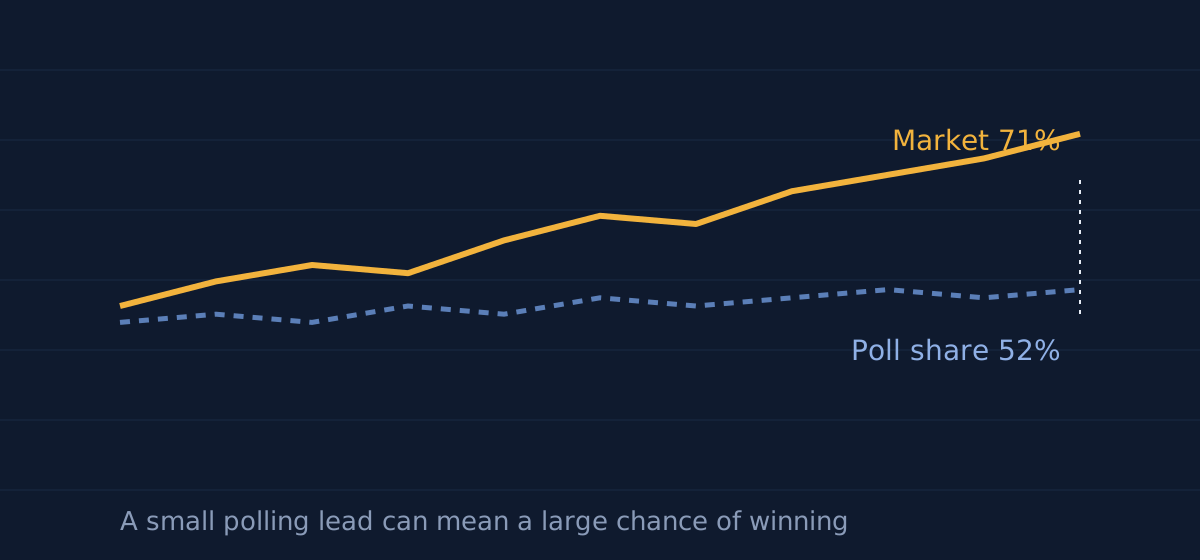
Every election season brings the same argument: should you believe the polls or the betting markets? The honest answer is that they measure different things, and the gap between them is useful information in its own right.
What each one measures
A poll asks a sample of people what they think or how they plan to vote, then adjusts the results to represent the wider population. It’s a snapshot of opinion, with a margin of error that comes from sampling.
A market asks a different question: what will actually happen? Traders can use polls, but also early-vote data, fundraising, historical patterns, local reporting and their own judgment. The price blends all of it.
Why they drift apart
- Speed. Markets reprice in minutes. Polls take days to field and publish.
- Translation. A two-point lead in a poll isn’t a 52% chance of winning. Depending on the race, it might be closer to 60% or 70%. Markets price the outcome, not the margin.
- Money and bias. Markets reflect the people who trade on them, and those traders aren’t a representative sample of anyone. Enthusiasm for one side can tilt a thin market.
How to use the gap
When polls and markets agree, you can be more confident. When they diverge, ask why. Sometimes the market is reacting to news the polls haven’t caught yet. Sometimes it’s a thin market being pushed by a few large traders. Both explanations tell you something.
Neither one is a crystal ball. Polls have missed, and so have markets. That’s why PredictionStars keeps a public scorecard comparing how markets priced events with how they actually resolved, so you can see the track record for yourself.
Our approach
When we cover a political or economic market, we put the market price next to the relevant polling or forecast data where it exists, and say plainly when they disagree. Reading both is better than picking a side.